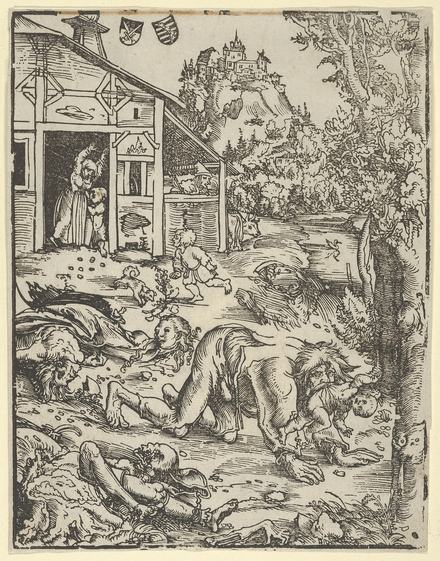
Court records from 1691–1692 preserve the account of a man who called himself a werewolf. He described a struggle for crops rather than attacks on people.
Insufficient evidenceHistorical Livonia; not assigned an exact modern coordinate
In a distinct story by William of Newburgh, a dead chaplain disturbs his former patroness. Four men wait beside the grave, but the decisive encounter falls to the monk who remains alone in …
William of Newburgh tells of a suspicious husband who dies after falling from a beam, and two brothers who connect their father's death with his subsequent wanderings.
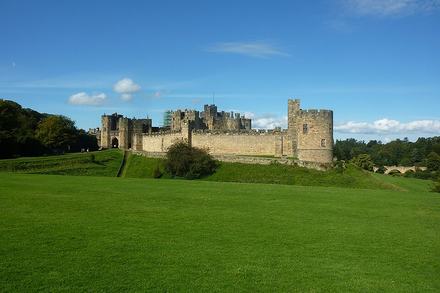
Insufficient evidenceAlnwick, Northumberland; the chronicle's Anantis is usually asso…
In Milovan Glisic's story, a mill-haunting vampire names himself after finding a log instead of a victim. The search for his grave joins village comedy, folk belief and a love story.
Insufficient evidenceZarozje and Ovcina, western Serbia; literary geography