An unusual voice in a court record
In late seventeenth-century Livonia, an elderly man named Thiess became involved in proceedings in which he was questioned about being a werewolf. The published transcript dates the initial hearing to 28 April 1691. His account did not simply follow the judges’ expectations of a dangerous servant of the devil. Instead, he represented his activities as beneficial to other people. We know this history through a legal text, rather than through an independent recording of a human transformation.
What he said
Thiess described werewolves as opponents of sorcerers who stole fertility and crops. In his account, journeys in wolf form were associated with retrieving grain and protecting agricultural life. His insistence on serving God complicated an attempt to make the story fit a conventional accusation of alliance with the devil. For historians of religion, this creates an important distinction: the same wolf figure could be a threat in the authorities’ framework and a protector in the storyteller’s own explanation of his actions.
What survives and the outcome
Carlo Ginzburg and Bruce Lincoln’s edition includes a translation of the proceedings and a verdict dated in the document to 31 October 1692. It orders public corporal punishment and banishment, with a qualification concerning ratification by a higher court. Its language records the judicial authorities’ position. It should not be converted into a modern finding that the supernatural accusations were true. Nor does an order in a surviving document by itself reconstruct every subsequent event in Thiess’s life or demonstrate how every part of a sentence was carried out.
Why historians disagree
Ginzburg and Lincoln compare the narrative with other traditions while discussing the differences between their approaches. An interpretation might emphasise parallels with ritual struggles for fertility, or give greater weight to the social circumstances and a defendant’s response to an imposed stereotype. Liu Jiaxin’s research article examines the case through social relations in Livonia. These are historical interpretations, not separate laboratory confirmations of a supernatural ability. Similar motifs in different cultures also cannot establish, by themselves, one continuous secret organisation stretching across all the regions concerned.
How to read a confession
A legal record is not a neutral transcript of every circumstance in a person’s life. Questions, legal vocabulary, translation and documentary conventions all influence what survives. Even a sincere description of oneself does not verify every action described. Readers need to distinguish allegations against Thiess, responses attributed to him in the record and conclusions drawn by later researchers. The text cannot reliably support a retrospective psychiatric diagnosis. It likewise does not justify confidently dismissing every statement as a conscious lie when the speaker’s motives cannot be directly recovered.
Dates, place and significance
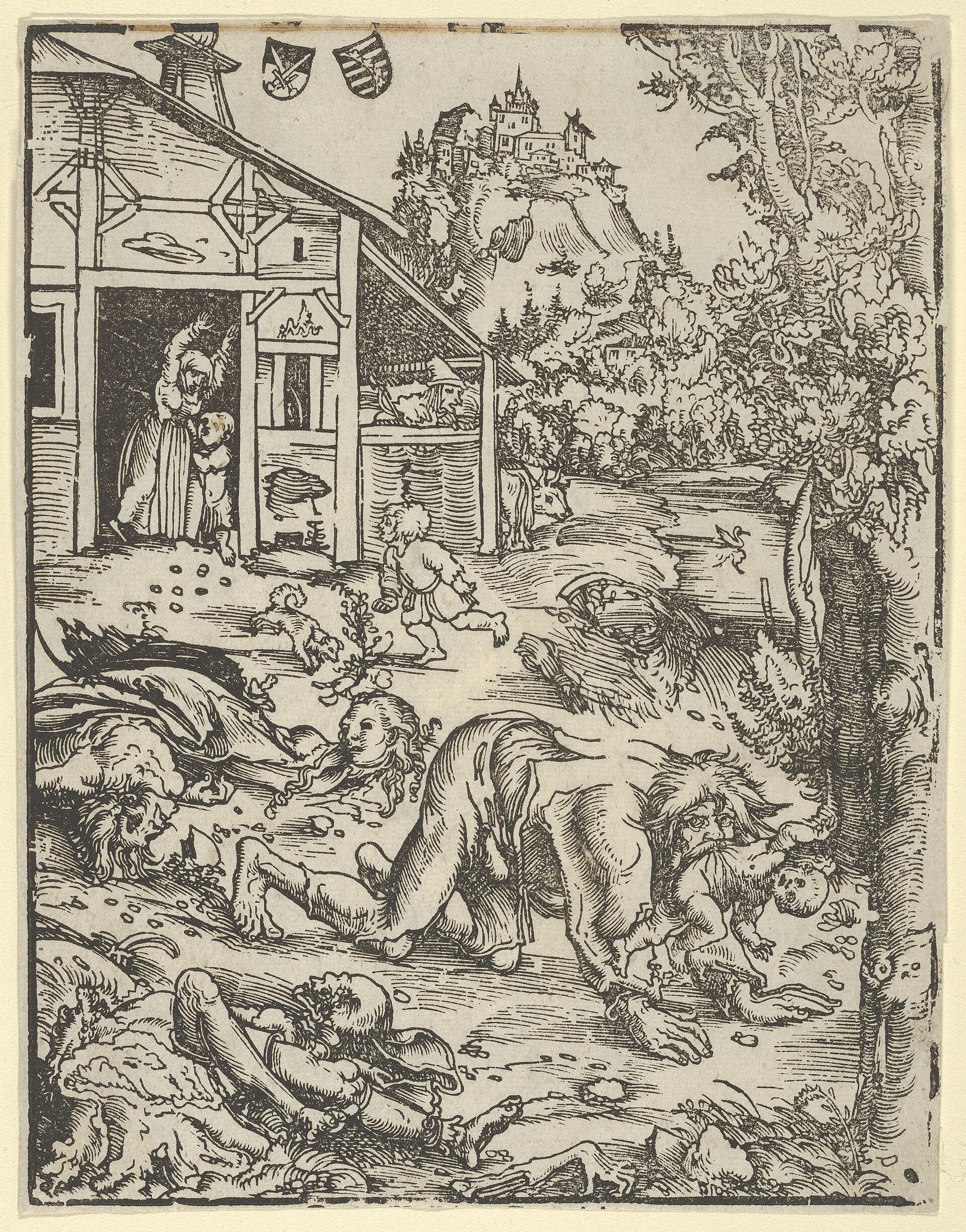
The year filter lists 1691 and 1692 as years of the proceedings, not verified wolf transformations. No exact map point is assigned: the historical place names require separate geographical verification. The forest cover is atmospheric illustration, not an image of Thiess. The interest lies in a surviving confrontation between voices. A storyteller defends his own meaning, while judges attempt to fit that account within legal and religious categories. The record offers an unusual opportunity to encounter a legend in a dispute among contemporaries, rather than only through a much later retelling.


