Permission to hunt a werewolf
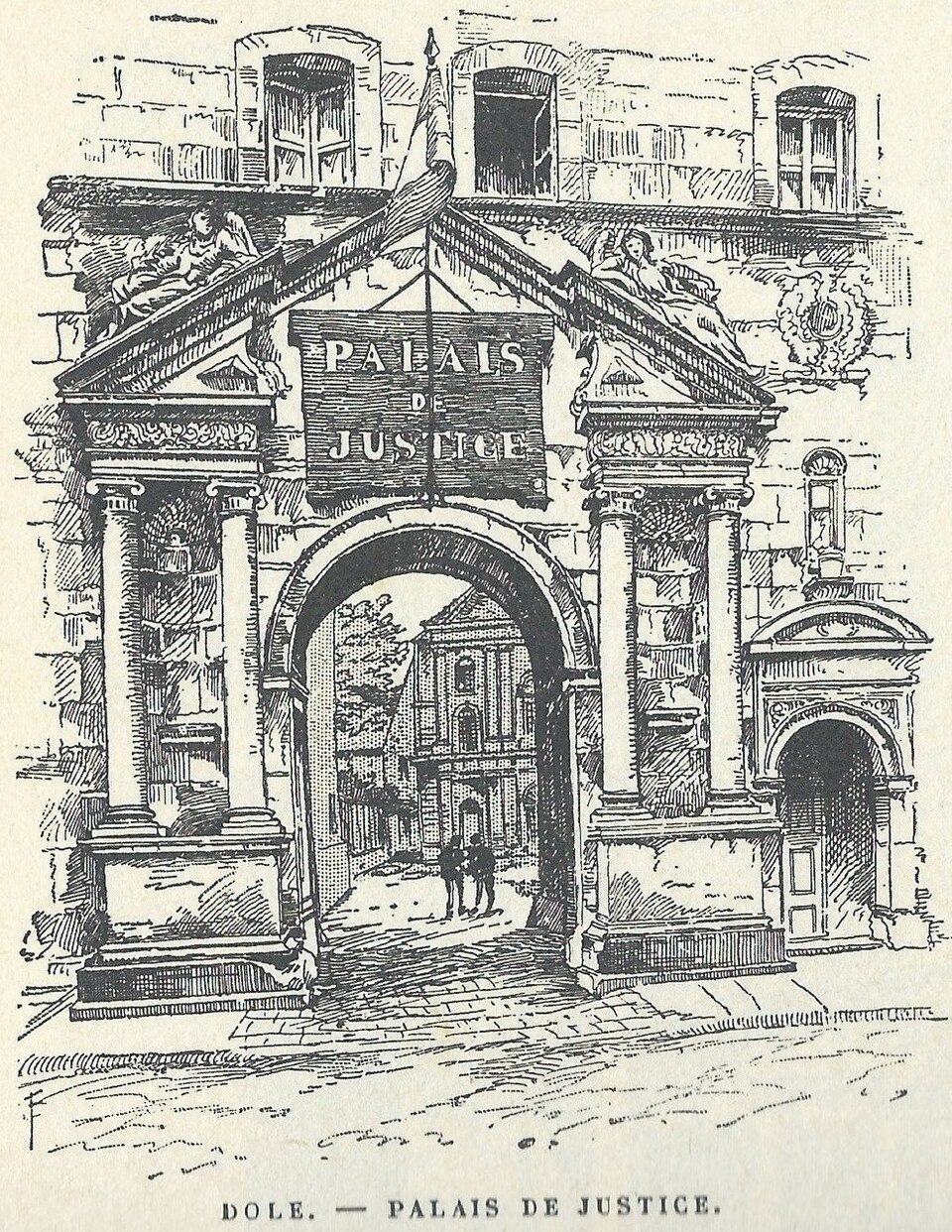
In autumn 1573 the authorities at Dole authorised residents to pursue supposed werewolves troubling the surrounding countryside. Edward Evans’s historical account lists weapons permitted for the hunt, including pikes, halberds, arquebuses and clubs. Ordinary hunting restrictions were set aside. Such a decree demonstrates that a threat was publicly discussed and received an administrative response. It does not establish that the hunted creature was genuinely a transformed human. Against a background of attacks on children and fear of the forest, the werewolf category provided a way to name a danger and organise its pursuit.
The hermit beside the woodland path
Gilles Garnier lived with his wife Apolline near Amange, in an area associated with the isolated dwelling of Saint-Bonnot. Sabine Baring-Gould’s later narrative depicts an overgrown garden, a poor house and a man whom neighbours avoided. Those expressive portrait details belong to a nineteenth-century book; they cannot be treated as a neutral investigator’s description. In the same retelling, people heard a child screaming and saw an attacking creature. Some thought it a wolf, while others recognised features of the hermit. Uncertain identification in fading light is an important part of the account that dramatic modern versions often remove.
A confession acquires a wolf’s shape
The prosecution attributed several attacks on children to Garnier. He allegedly used teeth and hands described as paws, carried victims towards the forest and brought some of his prey to his wife. The accusation’s form matters: human violence was narrated through transformation. Even an attack said to occur on a Friday could acquire additional religious significance. A judicial narrative is not an experimental observation of metamorphosis. Confession in an early modern criminal proceeding must be considered alongside prosecutors’ expectations, interrogation practices and the printed account’s genre, rather than treated as a freestanding physical demonstration.
A sentence and a book of monsters
Garnier was sentenced to burning; the title of the surviving printed account dates the decision to 18 January 1574. The case is frequently labelled simply 1573 because that year contained the attacks and beginning of the prosecution. These dates should not become competing dates for one occurrence. In the nineteenth century Baring-Gould placed the case in a chapter of horrors beside other French werewolves. Such selections made separate trials appear to form one monstrous epidemic and established details for subsequent encyclopaedias, although their authors often depended on earlier printed narratives.
Comparing prosecution and historiography
Modern historian Willem de Blécourt shows how a small group of cases became a canon of popular werewolf history. His work helps distinguish a surviving allegation from repetition of a literary pattern. The facsimile catalogue establishes an early printed sentence; Evans explains the hunting permission; Baring-Gould demonstrates later narrative development. Agreement among these books does not amount to independent observation of a wolf’s body. The case securely establishes prosecution of a person accused of werewolfery. The circumstances of each attack and the role of confessions cannot be reconstructed from a repeatedly recycled narrative alone.


