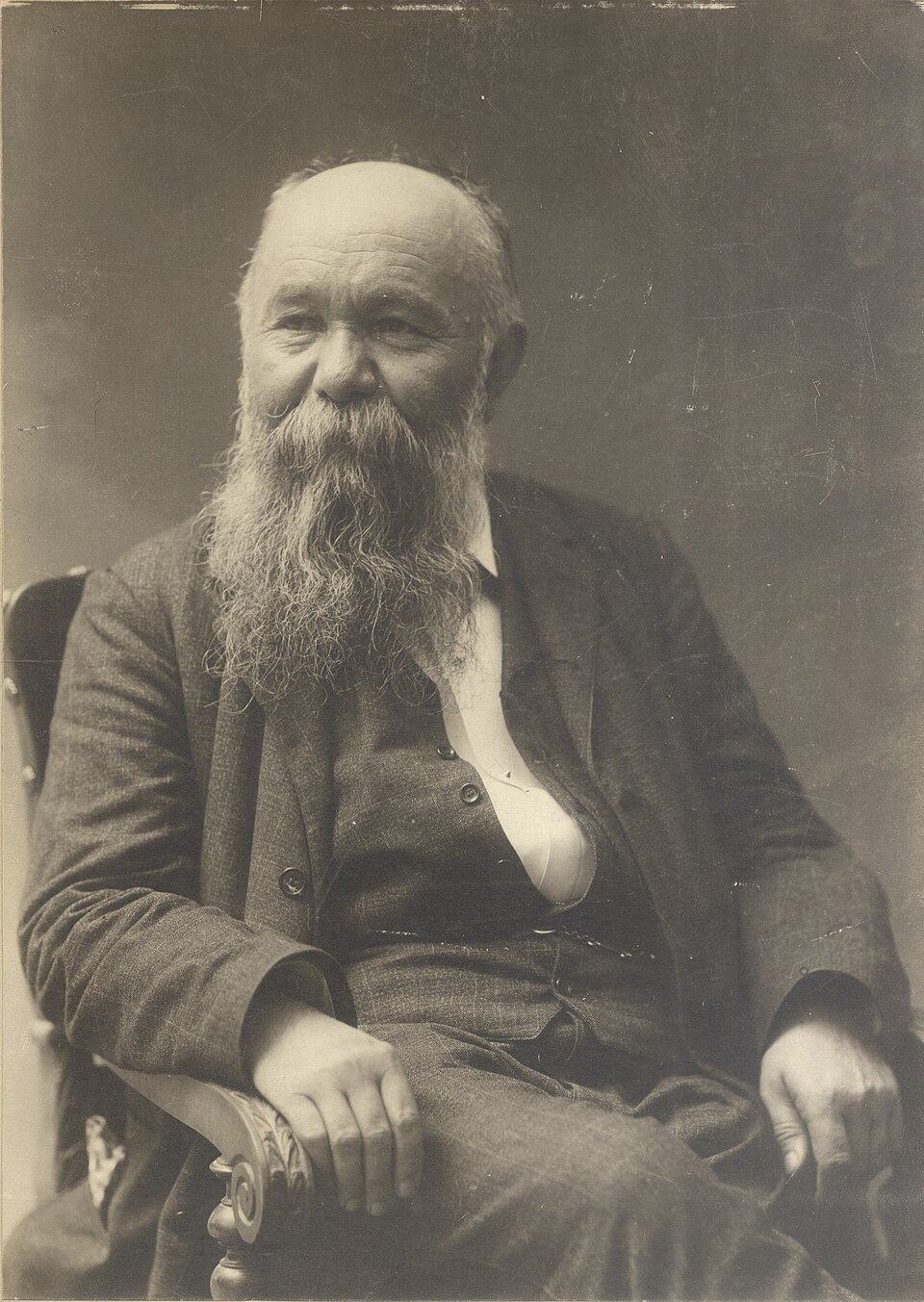
A mill the village cannot do without
In Milovan Glisic's After Ninety Years, the people of Zarozje argue over an entirely practical emergency. Their mill stands in a deep ravine, and each new miller supposedly dies there overnight with a mark of strangulation around his neck. Grinding only in daylight is insufficient: the village is large, there is one mechanism and much grain. Some propose an armed vigil, while others want to burn the building and construct a replacement. Discussion beneath a walnut tree ends in quarrelling and blows. Glisic introduces people who need bread, work and a way to agree before bringing the vampire onto the scene.
A volunteer with a private sorrow
The solution comes from Strahinja, a hardworking young orphan from neighbouring Ovcina. The irritable Zivan Dusman, father of his beloved Radojka, refuses to allow their marriage. Strahinja has decided to leave the district but agrees on his journey to work as miller for at least one night. Village headman Purko does not immediately understand how closely this courage is tied to despair. That evening the young man keeps the machinery operating, places a long log beside the fire and covers it to resemble a sleeper. He climbs onto a small platform above the doorway with two loaded pistols. The trick allows him to watch the danger that normally kills a nocturnal worker.
A visitor who talks too much
At midnight a tall, red-faced man enters with a length of cloth hanging down his back. He examines the flour, then tries to strangle the apparent sleeper. Discovering the deception, he complains aloud that Sava Savanovic has never gone without supper during ninety years as a vampire. The hero thus learns his opponent's name from the intruder himself rather than from an ancient book. Strahinja fires, and the visitor disappears. In the morning the villagers are astonished to find their new miller alive. Their task now changes: they must discover where a man bearing that name was buried.
Old memory and a black stallion
The very elderly Mirjana remembers wicked Sava and a grave in a crooked ravine beneath a forked elm. There are many ravines, however, and the tree might have disappeared long ago. The search brings difficulties, noisy advice and special preparations: an unmarked black stallion, a hawthorn stake and holy water. The horse starts pawing the ground near a rotten stump. Beneath it the villagers find a coffin containing a swollen red body with two almost healed gunshot wounds. They pierce the corpse, but water is poured inaccurately in the confusion, and a butterfly-like wisp escapes its mouth. Stones and thorny branches cover the grave, and a village celebration follows.
A character enters local history
Published in 1880, the tale connects the vampire's defeat with the lovers' fortunes; its publication year must not become the date of a historical exhumation. Literary scholar Patrycjusz Pajak stresses Glisic's social perspective in adapting traditional motifs. Later RTS coverage documents another stage, as Zarozje and nearby places incorporate Sava into tourism and news about the mill renews his fame. This is evidence of a community adopting a character. The literary text, scholarship and reporting about local memory establish the image's cultural life without independently verifying the narrated nighttime attack.


