The Patterson–Gimlin film
A short film of a biped became central to the Bigfoot dispute; digital processing improved copies without supplying a new specimen.
UnverifiedBluff Creek, California
A short film of a biped became central to the Bigfoot dispute; digital processing improved copies without supplying a new specimen.
Two children reported a bright object and four small figures. GEPAN's later reconstruction preserved their memories but did not measure the original event in real time.
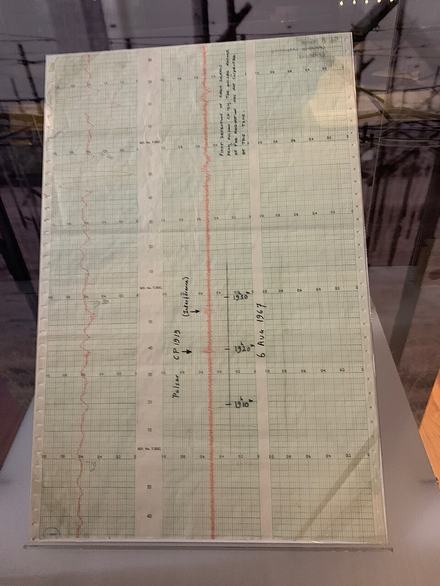
In 1967 Jocelyn Bell noticed an unusual trace in radio records. Follow-up checks revealed repeating celestial pulses and opened the study of a new class of stellar objects.
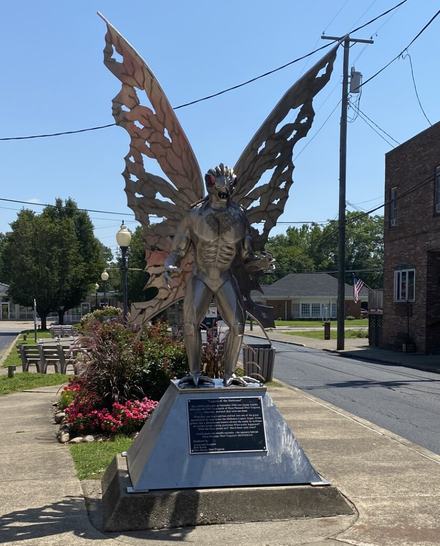
Two couples’ account of a winged figure near the TNT area grew into a legend later linked to the Silver Bridge collapse.
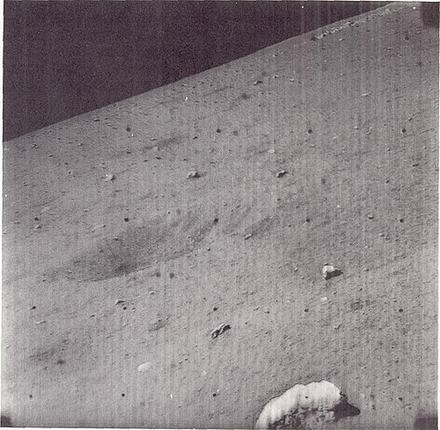
On June 2, 1966 Universal Time, Surveyor 1 made the first American soft landing on the Moon and returned images of its immediate surroundings.
The first soft landing produced surface photographs; independent reception in Britain made it a story of radio tracking and newspaper technology.
Norman Muscarello brought a police officer to a roadside field, where both reported bright lights. Statements and correspondence about military aircraft survive.
A farmer reported an unfamiliar craft and two figures in a field. Gendarmes documented his account and ground marks; GEIPAN later clarified how its archive was assembled.
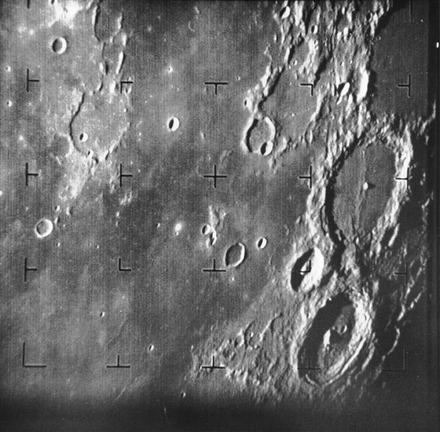
On July 31, 1964 Ranger 7 transmitted thousands of images before its planned impact. The sequence revealed lunar terrain in detail beyond the reach of contemporary ground telescopes.
Early reports and a site examination preserved an alleged landing account without identifying the object.