The morning of July 1
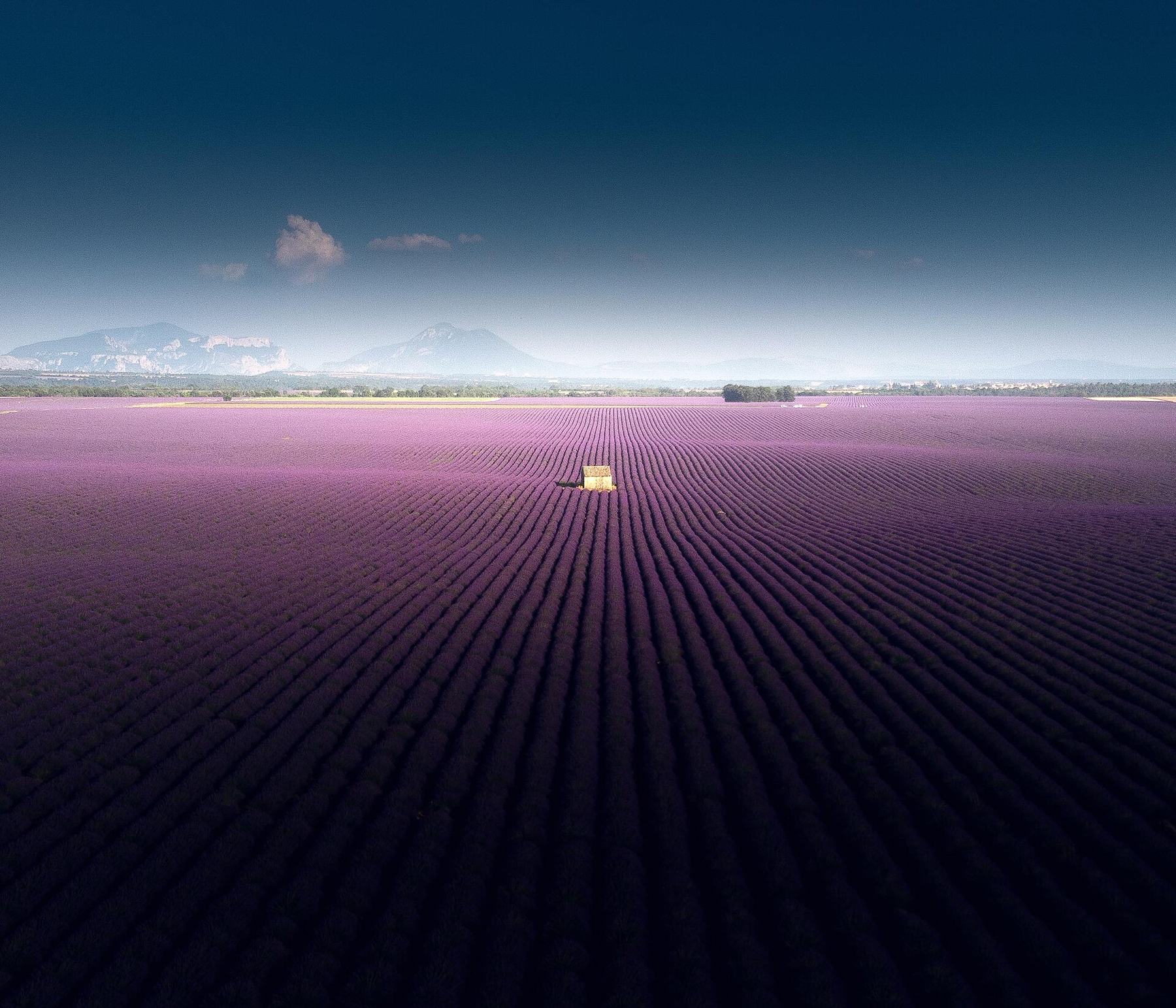
At about 5:45 a.m. on July 1, 1965 a farmer was working in a lavender field near Valensole. According to the French GEIPAN summary, a whistling noise attracted his attention. He went to investigate and reported an unfamiliar dark, matte craft on the ground with two figures nearby. His account placed the observation at four or five minutes. The figures rapidly reentered, and the object took off obliquely toward Manosque. This is a sequence reported after the event. The published summary supplies neither an event photograph nor an independent recording of the departure.
Returning to the spot
About ten minutes later, the farmer reportedly inspected the place and found star-shaped marks with a cylindrical hole in the middle. He described the soil as soaked. Returning around 8:30 that evening with his daughter, he said the earth had become as hard as cement. The distinction between reports and observations matters here: the initial wetness comes from his own account, whereas the gendarmes reached the site later. His daughter's evening visit does not independently corroborate the figures or the departure reported from the morning. These are related episodes with different witnesses.
How the statements were recorded
The farmer spoke about the experience on the morning of July 2. Curious visitors quickly went to the field, and the official summary explicitly records that the marks were trampled. Local gendarmes learned about the event through public discussion around 7:30 p.m. They first interviewed the witness at approximately eight. Around ten he accompanied them to the location, and he supplied further information later that night. This chronology explains why a later photograph of a depression cannot be treated as an image of an untouched site immediately following the alleged landing.
Inspection and additional testimony
A different brigade recorded its site inspection on July 3, taking measurements and photographs. On August 18 the farmer supplied another detailed supplement. GEIPAN identifies these police records as the most reliable available documentary foundation and makes them accessible in its archive. The agency also states that no further witness testimony was collected and that gendarmes found no additional indications around the site. The records establish a genuine interview and inspection. Their existence does not show that every extraordinary element was independently verified or that the marks' origin was scientifically determined.
The dossier's later history
Valensole became a prominent French close-encounter account. Pierre Guérin, Jacques Vallée and successive heads of organizations studying unidentified phenomena took an interest. GEPAN itself, however, was not created until 1977. In its 2015 anniversary notice GEIPAN explicitly explained that the organizations had collected documents but had not published a detailed institutional investigation into this old case. Archive ownership should therefore not become a claim that a space-agency team attended the field in July 1965 or identified the alleged craft's function. The later institutional history is separate from the contemporary police work.
Comparing the sources
GEIPAN's case page provides the interview chronology, its anniversary note explains institutional limitations, and the published police documents preserve the primary record. COMETA retells the episode within a broader argument about UFOs; hosting that report on a CNES website does not turn every interpretation into the outcome of a separate technical examination. The category D designation preserves the report's unidentified nature. The documents allow the testimony and physical marks to be discussed separately. They do not turn descriptions of two figures into established biological evidence or determine the origin of an alleged vehicle.


