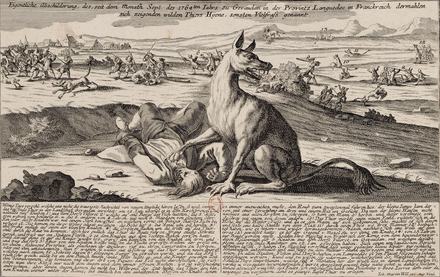
The Beast of Gevaudan: attacks and hunts
Real fatal eighteenth-century attacks prompted royal hunts and a lasting monster tradition; the animals’ precise identity remains disputed.
Under reviewGevaudan, Margeride uplands
Real fatal eighteenth-century attacks prompted royal hunts and a lasting monster tradition; the animals’ precise identity remains disputed.
A supposed spirit answered through knocks and appeared to accuse a living man of murder.
Military specialists opened graves after a series of deaths, while villagers linked the crisis to a neighbour burned years earlier.
Villagers connected a rapid series of deaths to a buried neighbour and insisted on exhumation.
A botanist witnessed an exhumation and disputed villagers’ attribution of night-time disorder to a murdered peasant.
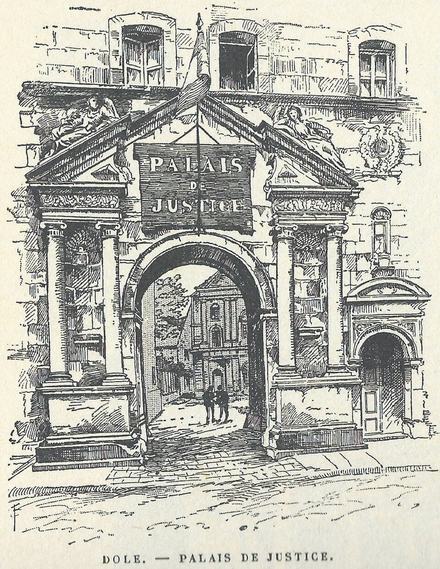
Court records from 1691–1692 preserve the account of a man who called himself a werewolf. He described a struggle for crops rather than attacks on people.
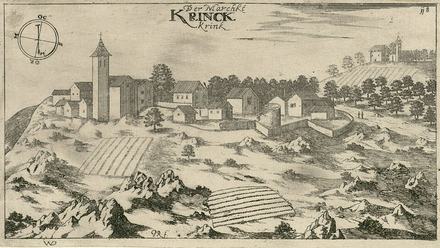
A dead neighbour supposedly wandered for sixteen years; villagers ended the terror by opening his grave and cutting off the corpse’s head.
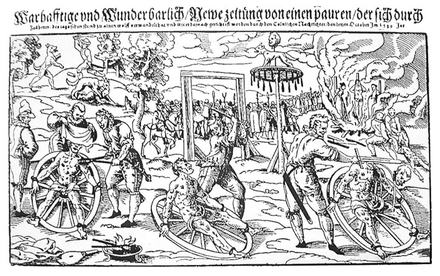
A pamphlet linked murder accusations with a diabolical belt and presented the execution as a public warning.
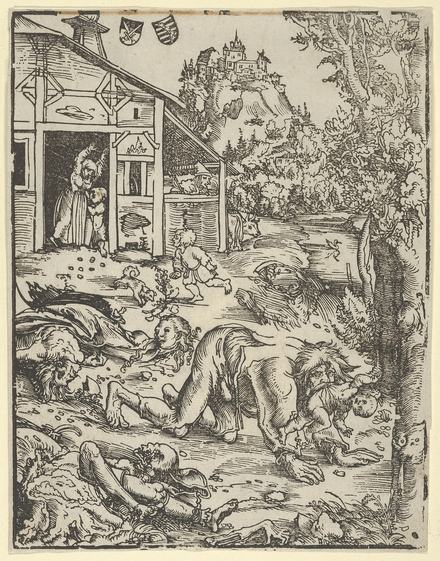
Attacks on children prompted a werewolf hunt and then prosecution of a hermit living near the forest.
Acidic saline springs became a testing ground for deciding which shapes and genetic signals genuinely indicate life.