A murdered peasant rises in people’s accounts
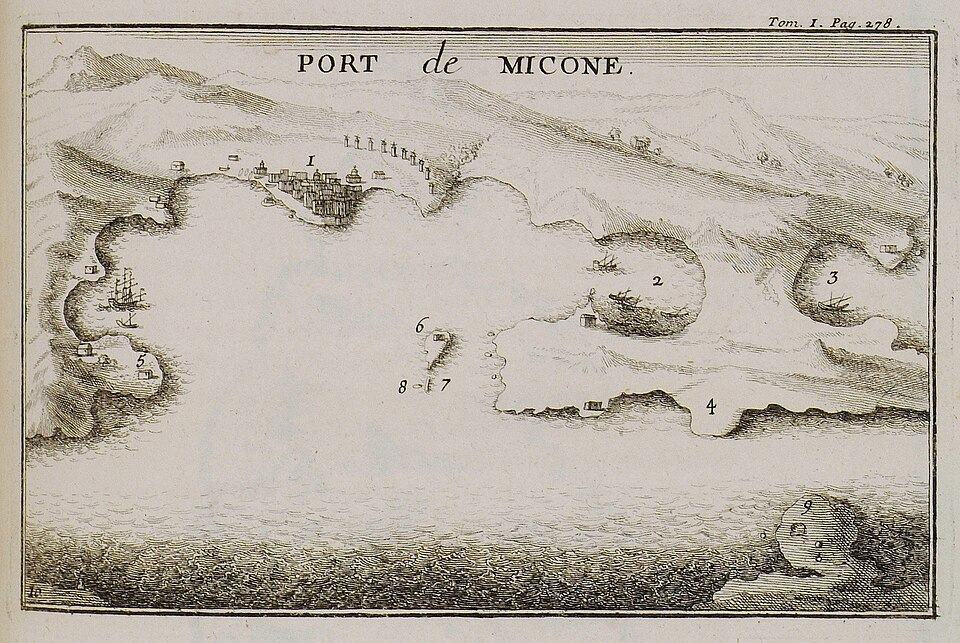
During his Aegean journey Joseph Pitton de Tournefort reached Mykonos, where residents were discussing a recently murdered peasant. His account identifies neither murderer nor motive. Two days after burial, reports spread that the dead man walked at night, disturbed possessions, extinguished lamps and grabbed people from behind. Initially the story provoked laughter. When more influential residents and priests supported the complaints, a shared explanation emerged: the corpse had become a vroucolacas, a reanimated vessel for an evil spirit. The traveller describes a belief spreading, rather than claiming to have encountered the walking peasant himself.
The butcher searches for the heart
After meetings, the community decided to wait until nine days after burial. On the tenth day a Mass was celebrated, the grave opened and the local butcher instructed to remove the heart. Tournefort portrays an awkward operation: the butcher initially cut into the abdomen and struggled to locate the organ. The body smelled intensely, so incense was burned. The crowd interpreted the mixture of smoke and bodily fumes as an extraordinary sign. Some maintained that the blood was red, while the butcher reported internal warmth. Approaching closely, the travellers considered the man completely dead and attempted to explain the impressions through decomposition and the circumstances of dissection.
The heart burns but fear persists
The removed heart was burned beside the sea, yet complaints continued. The vroucolacas was now blamed for striking people, breaking doors, tearing clothes and emptying wine vessels. Families moved beds into the public square, while others withdrew into the countryside. Tournefort recommended a night watch and reports that the authorities arrested several vagabonds implicated in the disorder. Even this did not end the alarm. People suggested that the ritual had been performed incorrectly: perhaps the heart should have been removed before Mass, preventing the devil from escaping temporarily and returning afterwards.
Sabres and a final fire
Bare swords were placed above the grave, prayers recited and holy water poured over the corpse. An Albanian declared that the cross-shaped hilts of Christian swords prevented the devil from leaving, proposing Turkish sabres instead. This change of explanation also failed. Eventually the authorities ordered the entire body burned at the end of the islet of Saint George. Tournefort dates the conclusion to 1 January 1701 and specifies his position: he saw the flames while returning from Delos. Afterwards, he writes, complaints ceased and songs mocked the creature. Seeing the fire cannot be expanded into personal attendance at every stage.
Comparing the witness and later retellings
The historical Tournefort translation preserves distinctions between his observations and villagers’ assertions. Calmet later incorporated such material into discussions of revenants; modern scholarship follows its transition into vampire literature. This constitutes transmission rather than additional independent witnesses. The story does not require the blood-drinking central to later vampire conventions: nocturnal mischief and a possessed corpse matter more. Some headings place the whole episode in 1700, but the final fire has an exact date within the narrative. The ritual and arguments surrounding it offer stronger historical substance than the unestablished claim of reanimation.


