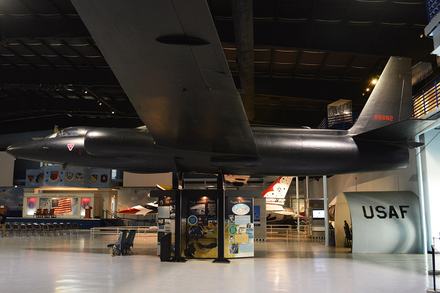
Area 51: the U-2’s unplanned first lift-off
The history of a real secret aircraft helps separate documented activity from legend.
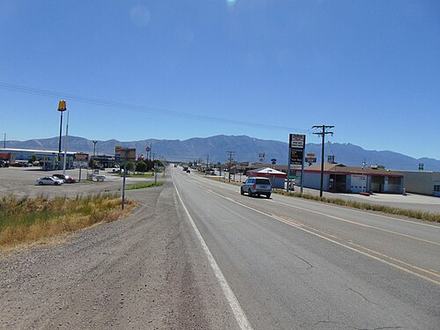
An explanation existsGroom Lake, Nevada
The history of a real secret aircraft helps separate documented activity from legend.
An apprentice recalled Roman soldiers walking through a cellar wall, visible only from the knees upwards.
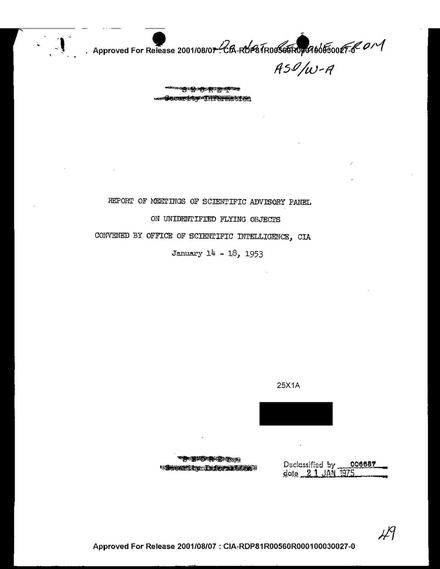
In January 1953 scientists reviewed UFO reports and films; their recommendations also addressed communications overload and public alarm.
Delbert Newhouse filmed a group of bright points in color; military image analysts and physicists differed over their possible explanations.
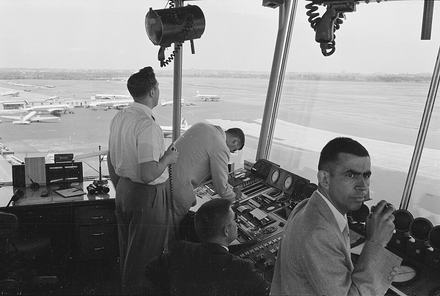
July radar and visual reports prompted interceptor flights and an official investigation.
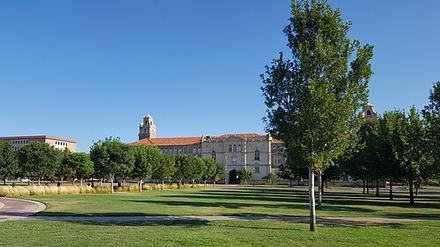
During summer 1951 faculty members watched groups of lights and a student photographed a similar formation. Their accounts have similarities but also consequential differences.
A short color film from 1950 survived repeated investigations, a date dispute and differences between visual testimony and what the images could establish.
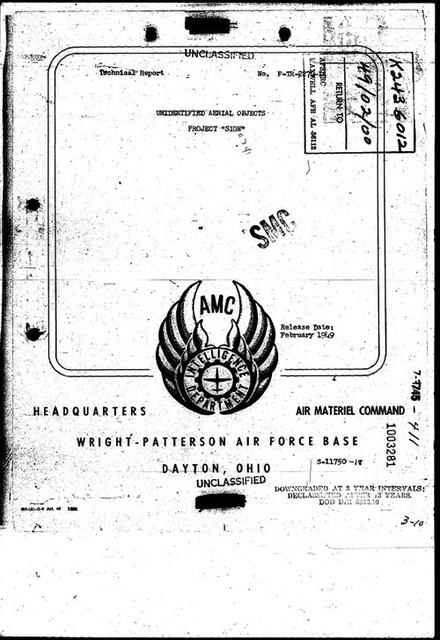
An early Air Force program collected sightings amid fears of unknown aviation technology; its records preserve uncertainties as well as organizational decisions.
On January 7, 1948 Captain Thomas Mantell died after climbing to identify an aerial object. The investigation was more complicated than its early Venus explanation.
Changing announcements in July 1947 and a later records search produced two connected histories: a debris recovery and the growth of a legend.