A sighting during a stadium inspection
In August 1950 local baseball-team manager Nicholas Mariana was inspecting a stadium in Great Falls. He and his secretary reported two bright objects above the city. Mariana retrieved his movie camera from the car and filmed them on 16-millimeter color stock. He later described silvery discs and unusual motion. Yet the available frames primarily show two bright points. This difference between a person's visual impression and the camera's resolving power became a major reason why the recording could receive several interpretations during later investigations.
The date became part of the investigation
The usual date is August 15, supported by a newspaper item reproduced by the local History Museum. The university investigation nevertheless found correspondence saying '5 or 15 August' and checked baseball schedules. This entry therefore does not present a precise day as indisputable. The uncertainty has practical consequences: comparison with aircraft movements, wind and solar position requires the correct calendar moment. An aircraft documented in the area on August 15 cannot automatically explain a sighting if it occurred ten days earlier.
A short recording acquired a long history
The initial military investigation considered reflections from aircraft. Renewed interest in older cases brought another examination, and in 1953 the Robertson panel viewed the footage alongside the Tremonton film. The panel specifically observed that similar bright images did not establish a shared cause for the two events. An aircraft explanation in Montana did not have to explain the Utah group. The film inventory likewise lists separate archival objects. The superficial resemblance of screen points was weaker evidence than the temptation to combine famous films into one story.
What claims of a missing beginning meant
Mariana alleged that after military examination the beginning of his film was missing, including frames that showed more detail. This is a significant claim about preservation, but it requires comparison of copies, original film length and transfer documentation. Supposed lost details cannot be treated as available images. Popular retellings sometimes transform the allegation into an established confiscation of decisive evidence. Even an actual missing frame, however, would not independently tell us what it showed or why it was lost.
The university study did not simply repeat an earlier verdict
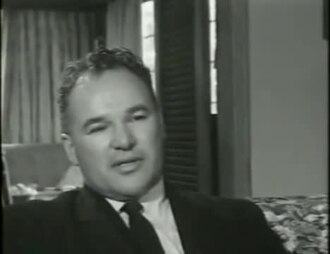
In the Colorado investigation William Hartmann again compared testimony and photographs. His conclusion was more cautious than a confident aircraft identification: the available images were difficult to reconcile completely with several ordinary explanations, although aircraft could not be excluded. This is an important example of a government-sponsored study differing from an earlier administrative assessment. The story also appeared in a 1956 documentary with a rehearsed interview. The museum identifies that segment's provenance, preventing a later performance of the account from being mistaken for sound recorded beside the stadium in 1950.
Comparing the evidence and conclusion
The newspaper trail and museum archive establish the local history; the film establishes bright images; military files and the university analysis document changing interpretations. None supplies secure object range or a physical specimen. Aircraft reflections have a documentary context, but the available data do not make that an indisputable identification of every object. An alternative involving extraterrestrial discs likewise lacks the necessary support. The most faithful assessment preserves both recording and disagreement: this is a genuine historical case with limited measurement information, rather than a proven flight by vehicles of established origin.


