The Loch Ness Monster: Nessie’s history, searches and evidence
From a medieval story to environmental DNA and reports in 2026: what is known about Nessie and why the question still attracts investigators.
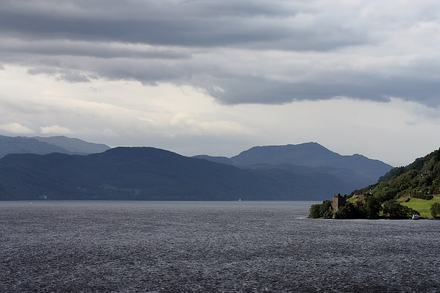
Insufficient evidenceLoch Ness, Scotland
Yeti, Nessie and other accounts of unknown animals.
From a medieval story to environmental DNA and reports in 2026: what is known about Nessie and why the question still attracts investigators.
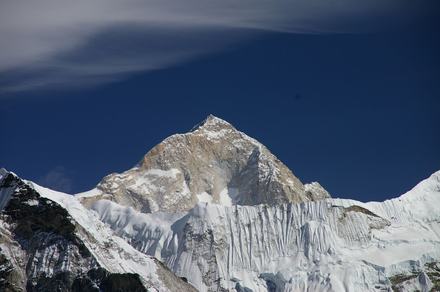
An Indian expedition reported tracks in snow in April 2019. The animal itself was not verified.
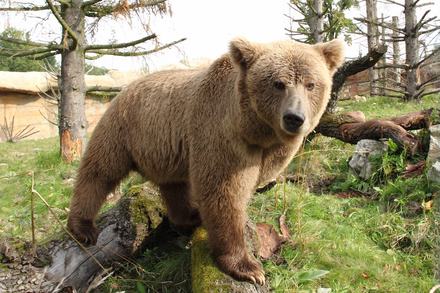
Genetic analysis tested nine specimens attributed to a Yeti.
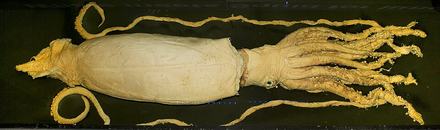
The animal was known from bodies long before its first photographs in its natural habitat.
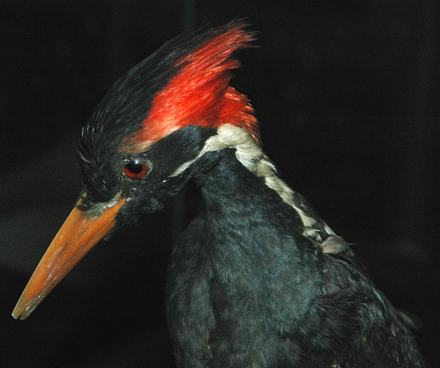
Brief footage and encounters in flooded forest led to a rediscovery claim, but the bird's identification remained disputed.
Livestock deaths and Madelyne Tolentino’s account gave a recognizable shape to a new blood-feeding monster.
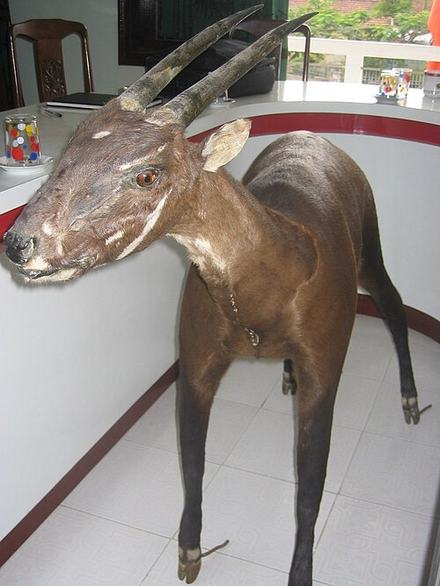
Researchers began with unfamiliar hunting trophies rather than an encounter with a living animal.
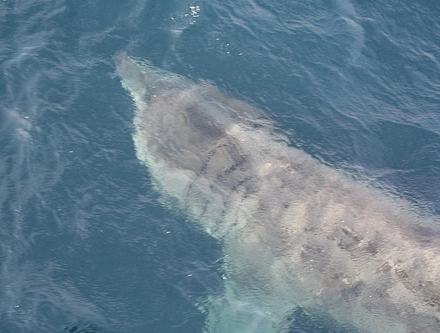
A decomposed carcass suggested a possible plesiosaur; preserved fibers instead supported a basking shark or close relative.
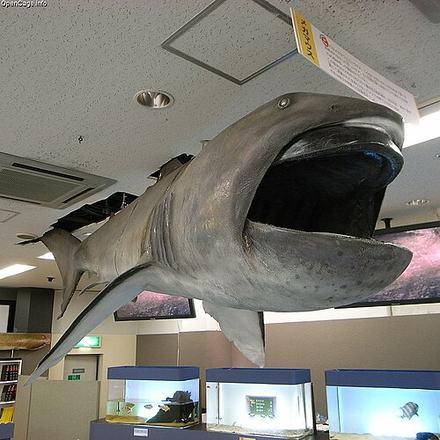
A large shark unfamiliar to science appeared when marine equipment was recovered.
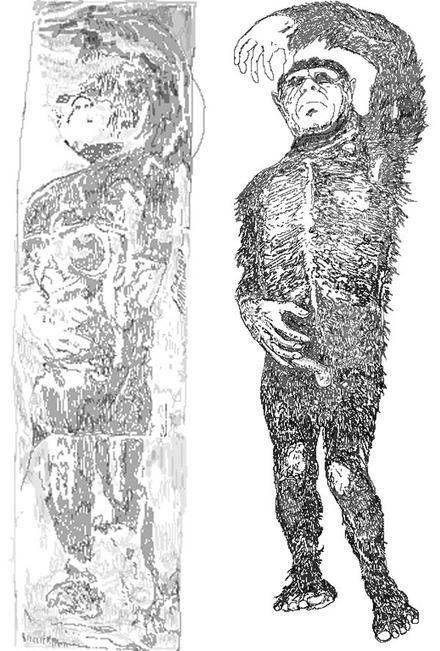
A hairy figure in ice attracted investigators and the Smithsonian; evidence of a model explains the sensational exhibit.