Livestock deaths acquire a name
In 1995 reports of dead domestic animals in Puerto Rico developed into a story about an unfamiliar blood-feeding predator. Chupacabra, approximately goat sucker, rapidly moved beyond conversations between farmers. The name described an alleged feeding method; it did not demonstrate that carcasses had lost all their blood or that an unknown species existed. Canovanas in northeastern Puerto Rico became an important location. Investigator Benjamin Radford associates it with Madelyne Tolentino, whose description helped give the monster a recognizable shape. This concerns the emergence of a particular modern figure rather than the first vampire tradition in human history.
A figure outside a house
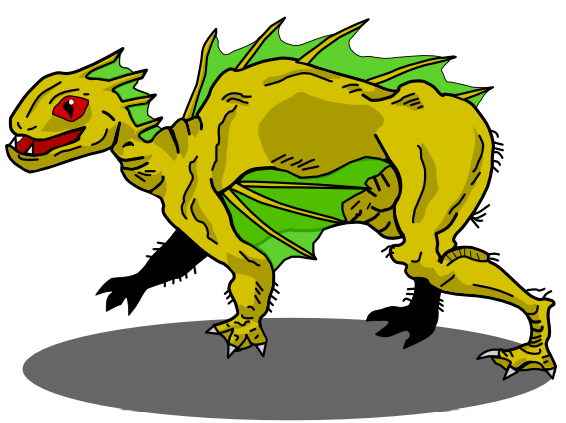
Accounts of Tolentino’s testimony describe a relatively small biped with widely spaced dark eyes, slender arms and projections along its back. These features differ considerably from the hairless doglike animals later given the same name. In a comparison published in 2025, Radford places a 1996 interview alongside his own 2010 conversation with her. The circumstances change: one version involves a frightened driver, while another begins when her mother wakes her. A precise minute-by-minute reconstruction is consequently unavailable. The descriptions are statements about remembered experience, rather than an animal that other investigators could examine independently.
A search becomes a public event
In Radford’s retrospective account, newspaper coverage and rumors multiplied after the August report, and people went searching for the creature. Canovanas mayor Jose “Chemo” Soto promised protection and participated in the public response. An individual report thereby became a shared expectation: another dead chicken or goat could be interpreted through a story that already had a name and a face. Rumors about secret American experiments also gave the creature political significance, a theme acknowledged by the University of New Mexico Press description of Radford’s book. Rumors of a laboratory, however, do not establish a research program or a biological origin.
Cinema and a changing body
Radford reported that Tolentino had watched the science-fiction horror film Species shortly before the encounter. He regards similarities between her description and its screen hybrid as an important explanation for the monster’s appearance. This is an argument about possible influences on perception and memory, rather than a laboratory identification of what stood outside a window. In later years television and newspapers carried the name across borders while its supposed anatomy changed. The island’s bipedal figure and mainland hairless canids acquired the same label, although they represent different kinds of reports and different opportunities to inspect physical material.
Comparing the surviving evidence
The publications support a history of circulating stories, political responses and changes in testimony. They do not supply a preserved chupacabra specimen from Canovanas. Radford’s interpretation addresses particular features and draws on interviews, but cannot substitute for veterinary findings on every dead animal. It would therefore be unjustified either to classify every livestock loss as one proven fabrication or to attribute all losses to a single unknown predator. The secure core is a documented wave of reports during 1995. The cited material does not confirm a distinct blood-feeding animal, and the uncertain dating of the formative encounter is represented by a period rather than an invented calendar day.


