What happened on 29 November 2017
The paper by Charlotte Lindqvist’s team in Proceedings of the Royal Society B examined biological materials attributed to a Yeti. The University at Buffalo announced the findings a day earlier, on 28 November; the scientific publication date used for this event is 29 November 2017. This was an investigation of collection and field specimens, rather than a report discovering a new animal. Its central question was testable: which known evolutionary lineages matched the DNA extracted from the supplied hair, bone, skin and other materials?
Nine alleged relics within a larger sample set
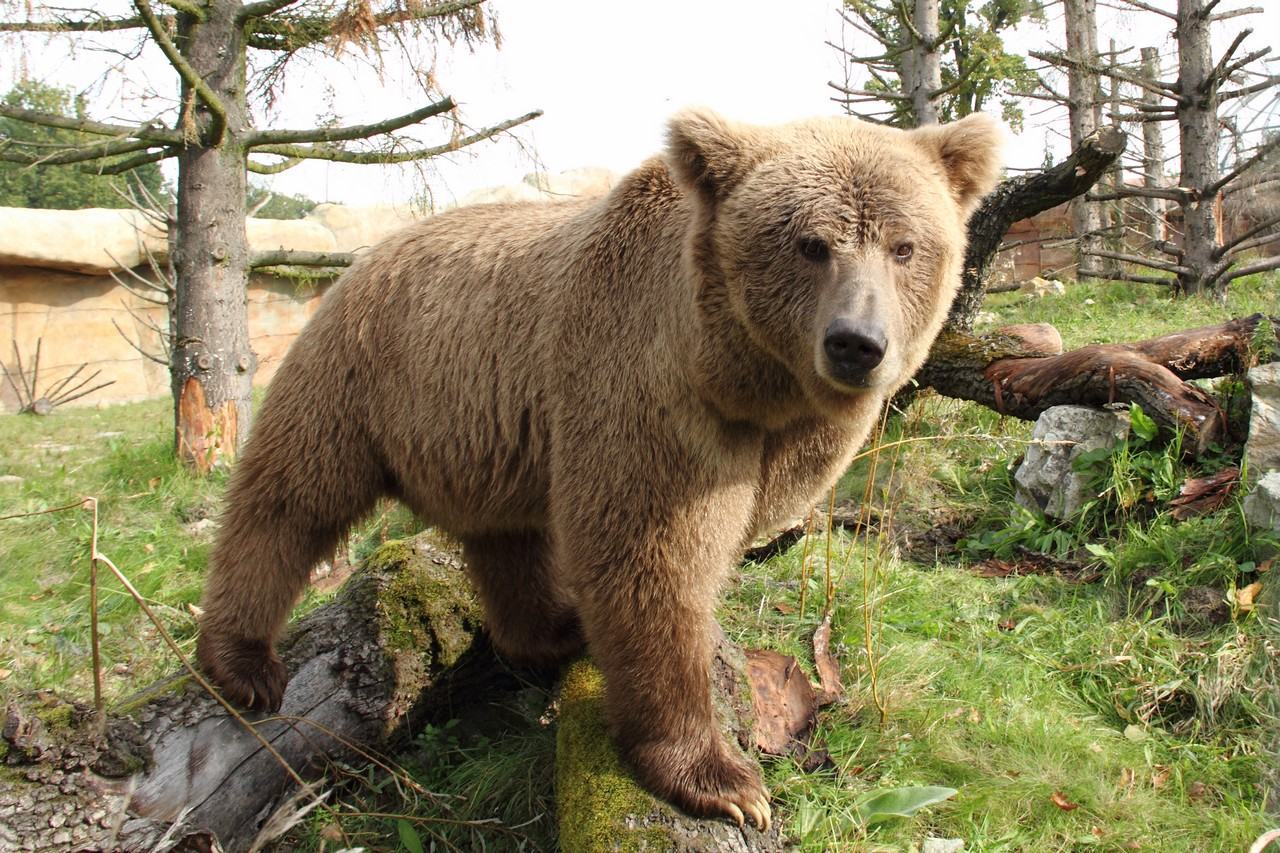
According to the university account, eight of the nine Yeti-associated specimens were bears and one was a dog. The bear specimens represented an Asian black bear, a Himalayan brown bear and Tibetan brown bears. The complete study examined 24 materials, including additional specimens of known origin used to investigate regional bears. Nine attributed relics, twenty-three bears and twenty-four total materials therefore describe different parts of the analysis. Confusing those numbers misstates how many supposed Yeti specimens the researchers actually tested.
More than finding a similar sequence
The authors compared mitochondrial sequences and constructed phylogenetic trees, testing evolutionary relationships. They assembled complete mitochondrial genomes for representatives of four bear lineages. Their methods describe contamination precautions, including dedicated facilities for old material and negative extraction controls. These matter for long-stored hairs or bones that people may have handled. Even a strong laboratory identification, however, concerns the material supplied: its association with a particular encounter depends on collection history, rather than being established by the instrument itself.
Where the polar-bear suggestion came from
In 2014, Bryan Sykes and colleagues matched short DNA fragments from two Himalayan samples with a sequence from an ancient polar bear. They discussed a previously unrecognised bear or hybrid. Other researchers challenged the inference in 2015. The 2017 study addressed the limitation directly: a short sequence may not contain enough information to distinguish closely related species. More extensive analysis placed a Ladakh sample among living Himalayan brown bears. The authors nevertheless qualified whether it was identical to the earlier material, an association inferred from its provenance and accompanying information.
A substantive discovery about known animals
The scientific result extended beyond correcting a sensational label. The analysis distinguished Himalayan and Tibetan bears’ maternal lineages and explored their evolutionary isolation. The university account linked the early separation of the Himalayan lineage with Pleistocene glaciations. This reconstructs population history rather than directly observing that process. Mitochondrial DNA records maternal relationships and does not stand in for the entire nuclear genome. The result therefore informs understanding of bear diversity, but cannot be expanded arbitrarily into a complete genetic history of every animal in the region.
Which conclusion survives scrutiny
None of the nine attributed Yeti materials required an unknown primate to explain it. These were positive identifications of known animals, rather than a simple failure to detect something. But the collection was not a random census of Himalayan wildlife, so eight out of nine cannot become a probability applying to every future report. Nor did the work analyse the Makalu tracks discovered in 2019. Our conclusion is specific: these relics lost their force as evidence for a Yeti, while a biological connection between the legend and local bears gained substantive support.


