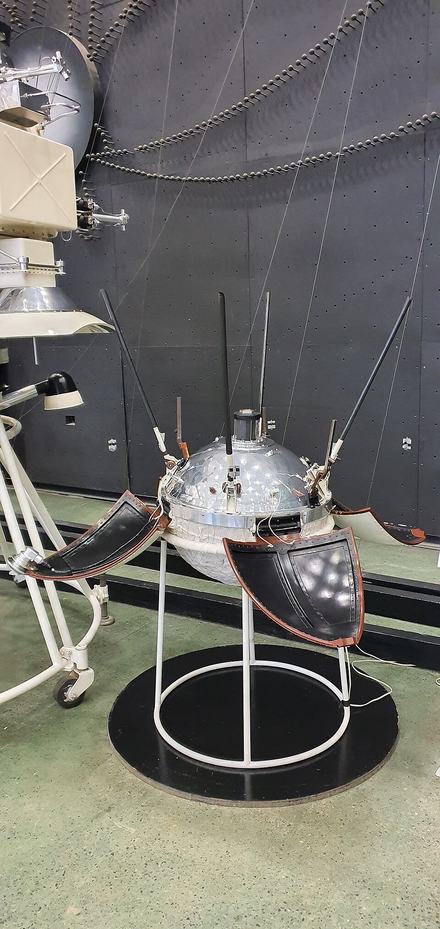
Luna 9: a panorama intercepted by an observatory on Earth
The first soft landing produced surface photographs; independent reception in Britain made it a story of radio tracking and newspaper technology.
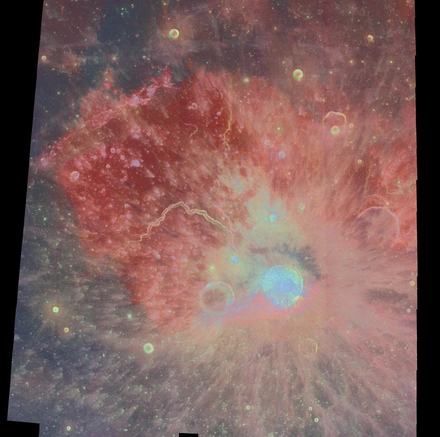
An explanation existsOceanus Procellarum
The first soft landing produced surface photographs; independent reception in Britain made it a story of radio tracking and newspaper technology.
Norman Muscarello brought a police officer to a roadside field, where both reported bright lights. Statements and correspondence about military aircraft survive.
A farmer reported an unfamiliar craft and two figures in a field. Gendarmes documented his account and ground marks; GEIPAN later clarified how its archive was assembled.
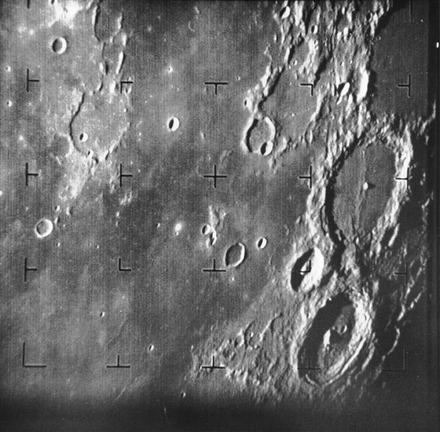
On July 31, 1964 Ranger 7 transmitted thousands of images before its planned impact. The sequence revealed lunar terrain in detail beyond the reach of contemporary ground telescopes.
Early reports and a site examination preserved an alleged landing account without identifying the object.
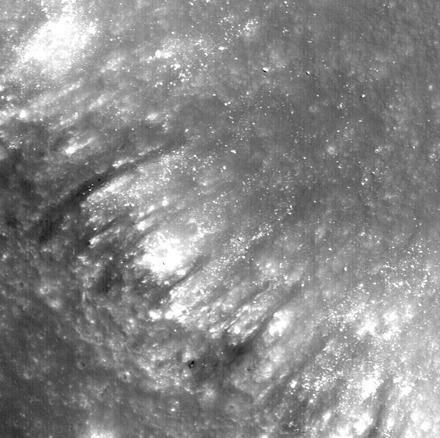
Two lunar cartographers reported temporary coloured areas. Their observations attracted detailed discussion, but the reported glow’s origin remains unresolved.
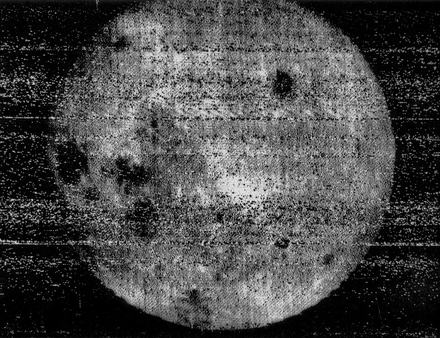
Grainy pictures from October 1959 revealed an unseen hemisphere, traveling from film inside a spacecraft to retouched newspaper prints.
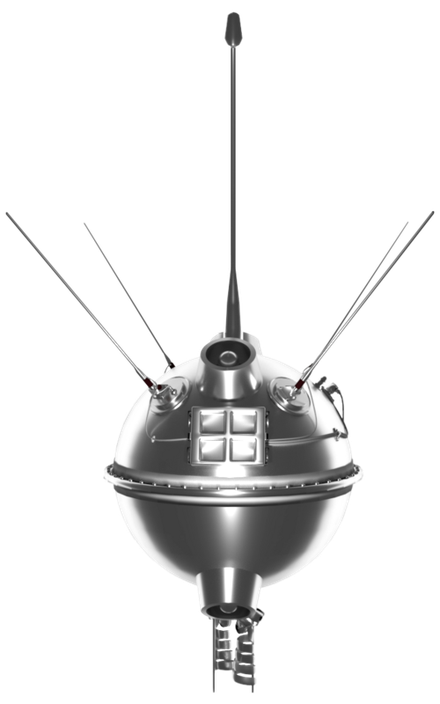
In September 1959 a Soviet probe's radio signal ended at the Moon: a planned collision rather than a mysterious disappearance.
Nikolai Kozyrev reported a changing central peak and an unusual spectrum. The historical interpretation remains open to scrutiny.
On November 2–3, 1957 police received reports of lights and vehicle trouble. The Air Force offered an atmospheric explanation, while the investigation's completeness remained disputed.