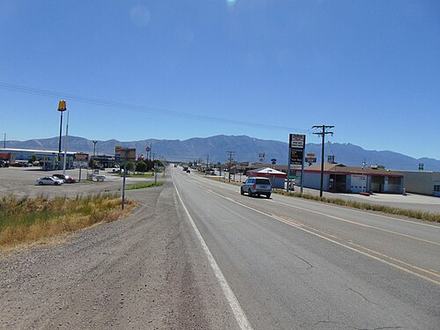
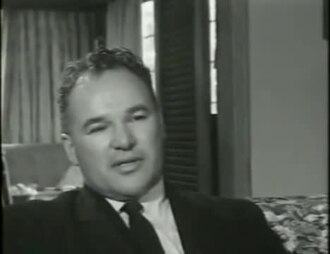
Norman Muscarello brought a police officer to a roadside field, where both reported bright lights. Statements and correspondence about military aircraft survive.
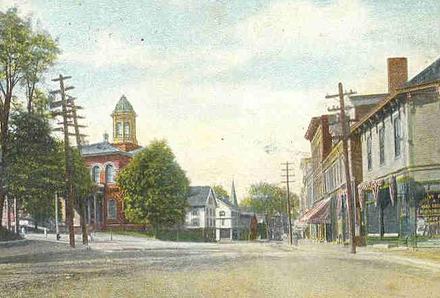
Under reviewKensington, south of Exeter, New Hampshire
A farmer reported an unfamiliar craft and two figures in a field. Gendarmes documented his account and ground marks; GEIPAN later clarified how its archive was assembled.
On November 2–3, 1957 police received reports of lights and vehicle trouble. The Air Force offered an atmospheric explanation, while the investigation's completeness remained disputed.
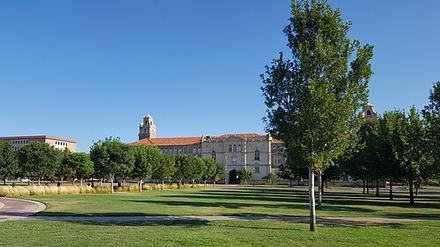
During summer 1951 faculty members watched groups of lights and a student photographed a similar formation. Their accounts have similarities but also consequential differences.
A short color film from 1950 survived repeated investigations, a date dispute and differences between visual testimony and what the images could establish.