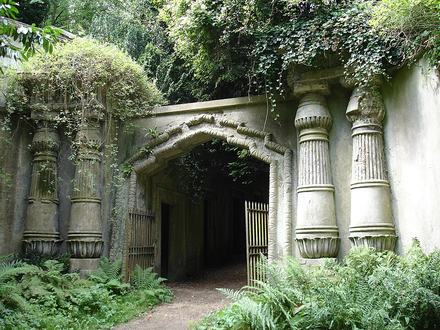
On 13 March 1970 television coverage and newspaper disputes brought a crowd to the cemetery. Documents establish a public scare, while the vampire remained the subject of incompatible claim…
UnverifiedHighgate Cemetery and Swains Lane, north London
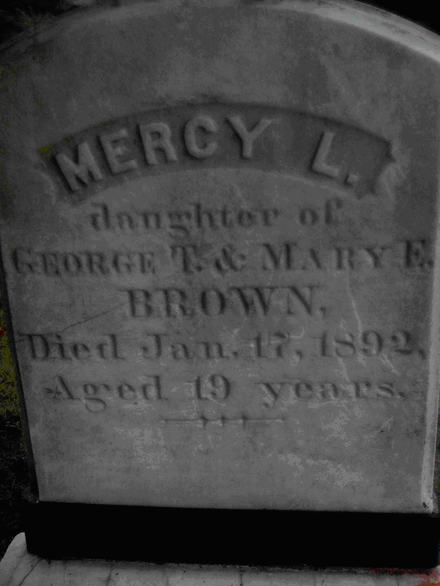
In March 1892 Exeter residents opened family graves in an attempt to stop consumption. What the ritual tells us, and why it does not establish the existence of vampires.
An explanation existsExeter, Rhode Island; approximate area
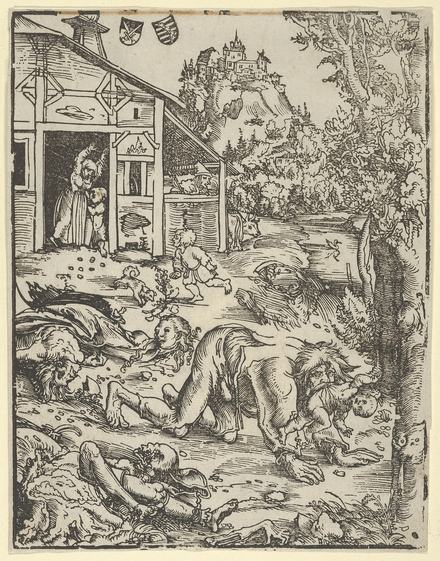
Court records from 1691–1692 preserve the account of a man who called himself a werewolf. He described a struggle for crops rather than attacks on people.
Insufficient evidenceHistorical Livonia; not assigned an exact modern coordinate
In a distinct story by William of Newburgh, a dead chaplain disturbs his former patroness. Four men wait beside the grave, but the decisive encounter falls to the monk who remains alone in …