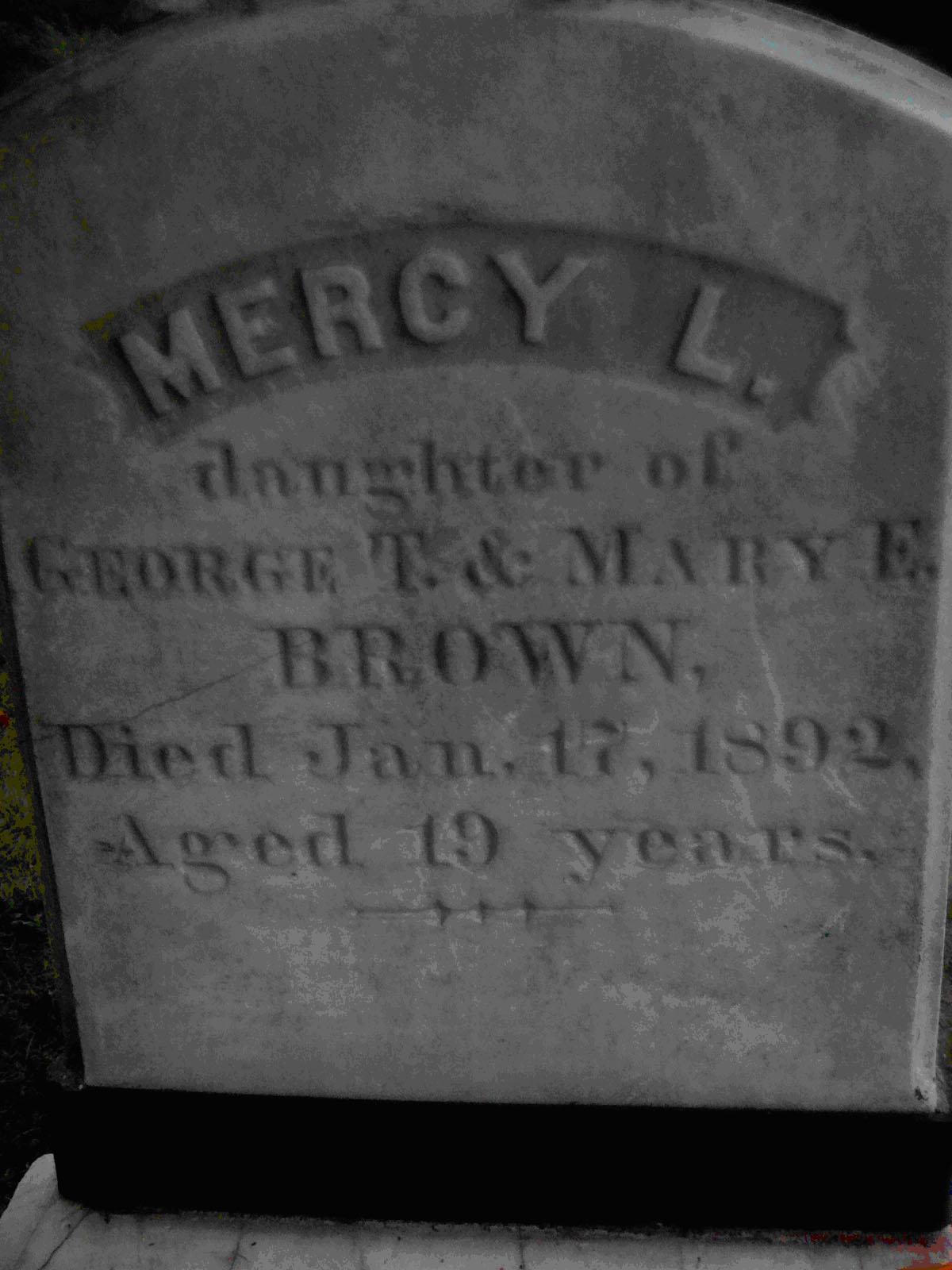
A family facing repeated losses
In late nineteenth-century Exeter, the Brown family suffered several deaths attributed to consumption. A mother and daughters died while the son Edwin remained ill. In January 1892 the young Mercy, known to relatives as Lena, also died. To a modern reader the background is a devastating infectious disease. To some neighbours the repeated losses suggested that a dead relative was continuing to drain strength from living members of the household. These are different explanations of the same tragedy.
What happened in March
On 17 March 1892 the remains of the deceased women were examined. Historical accounts based on local newspapers describe the preservation of Mercy’s body and fluid interpreted by participants as blood. Organs were burned, and accounts connect the ashes with a supposed remedy for Edwin. The intervention did not save him: he died weeks later. This describes people attempting to influence an illness; it does not describe an observed creature leaving a grave or physically attacking a victim.
Why compare the sources
Folklorist Michael Bell investigated newspaper reports alongside a larger series of related New England practices. His research helps distinguish local ideas about dead relatives from the later literary image of an aristocratic vampire. We should not add fangs, nocturnal assaults or witnessed transformations to this case. Such details might improve a horror narrative, but the documents listed here do not establish them. Nor does being present at a ritual show that every participant held exactly the same belief about its purpose.
Disease and the interpretation of remains
Modern CDC information identifies Mycobacterium tuberculosis as the cause of tuberculosis and explains transmission through the air. People who spend substantial time together can be exposed, providing an understandable route for family illness without a supernatural mechanism. The appearance of remains cannot be assessed independently of elapsed time, storage conditions and temperature. Preservation by itself cannot diagnose vampirism. A newspaper description is not equivalent to a modern medical examination, and it cannot reconstruct every stage of decomposition with clinical certainty.
Limits of confidence
The historical core consists of deaths, an exhumation, participants’ actions and publications describing them. Some details of the ritual and the particular words used by different people are less secure. Calling Mercy the last American vampire is an effective storytelling formula, rather than a conclusion based on an exhaustive register of every comparable episode. Claims that this one incident directly created a particular fictional character also require documentary evidence. Similar themes alone cannot establish a writer’s direct dependence on a specific newspaper story.
Reading the map marker
The marker locates the Exeter area rather than the precise exhumation position. The forest cover is atmospheric illustration, not an image of the family or the historical ritual. The important sequence is a dangerous illness, a lack of effective help, a shared explanation and an action believed capable of saving someone. Studying that sequence helps explain why an undead story could seem persuasive. It also preserves respect for actual deceased people instead of presenting them as proven monsters, and separates historical investigation from an invitation to repeat the ritual.


