On March 13, 1997 observers saw an earlier moving formation and a later row of bright lights. The flare explanation for the later display should not automatically be assigned to every earli…
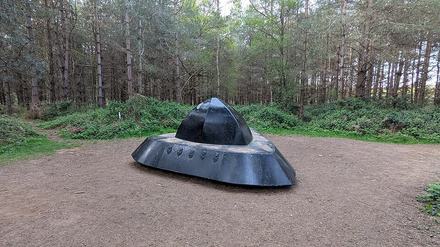
A photograph attributed to spring 1990 became an emblem of the Belgian wave. In July 2011 its maker told RTL-TVI that he had photographed a suspended polystyrene model.
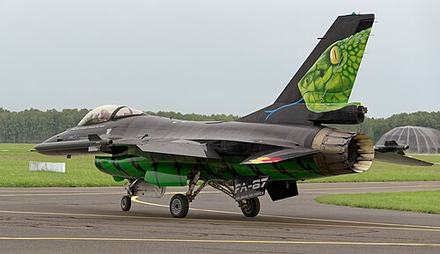
Reports in 1989–1990 prompted an F-16 interception. The military acknowledged a failure to identify the phenomena; radar locks did not establish an extraterrestrial vehicle.
Under reviewEupen, Brabant and other Belgian regions
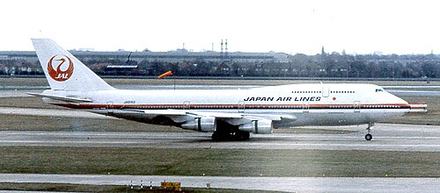
A cargo Boeing crew reported unusual lights. The FAA preserved communications and interviews, attributing an extra ground-radar target to a split return from the aircraft itself.
Under reviewFort Yukon–Fairbanks–Anchorage flight corridor
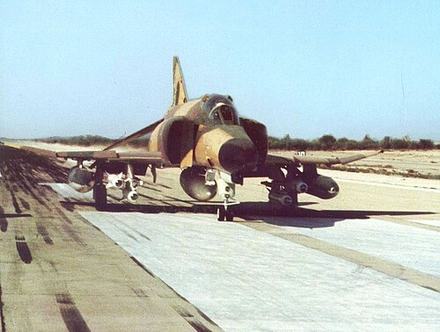
A US military channel preserved Iranian accounts of a bright object, radar contact and instrument failures. The document establishes the reporting, not an extraterrestrial interpretation.
An Air Force-sponsored investigation collected new cases and revisited older ones; its overall recommendation and individual case analyses operate at different levels.
Two children reported a bright object and four small figures. GEPAN's later reconstruction preserved their memories but did not measure the original event in real time.