December nights near the base
In December 1980 US servicemen near RAF Woodbridge in Suffolk reported lights in Rendlesham Forest. The National Archives research guide describes an initial patrol, the subsequent discovery of alleged traces and another investigation two nights later. During that later expedition deputy base commander Charles Halt observed lights and made a tape recording.
The map identifies the forest's general area, rather than a confirmed landing site. The year filter uses 1980, the year of the observations. January 1981 concerns the subsequent memorandum and should not generate a separate event marker.
The memorandum and its contents
Halt's document, titled Unexplained Lights, is a central early reference for the case. It describes patrolmen's reports of lights and an unusual object, ground traces and subsequent observations. Its official format does not make every description an independently measured result. Some passages relay other participants' accounts, while others concern the author's observations.
Those levels should remain distinct when the document is cited. Otherwise a witness report can silently become “the military's conclusion”, while several different lights become one object supposedly kept under continuous observation.
What the archive actually adds
The National Archives research guide identifies several related files. They contain the memorandum, departmental correspondence, parliamentary inquiries and later interviews. A dedicated Rendlesham file was opened after the events; subsequent releases increased access to the history of their discussion.
This material helps establish when a particular detail appeared. But ten letters asking about one memorandum do not constitute ten independent observations. Archival completeness is also relative: a surviving file shows the available documents, rather than everything that could ever have happened near the base.
Radar claims need a separate check
In a parliamentary answer dated 22 July 2015, the Ministry of Defence reported examining eighteen files. Their Rendlesham references concerned replies to questions and public inquiries; those files contained neither radar reports nor tapes. This statement applies to a specified set of records, rather than every possible archive.
The answer therefore cannot be cited as confirmation that radar tracked a craft. Nor does the absence of material in those files establish concealment. Such a conclusion would require separate, independently testable grounds.
The forest trail and the event's public image
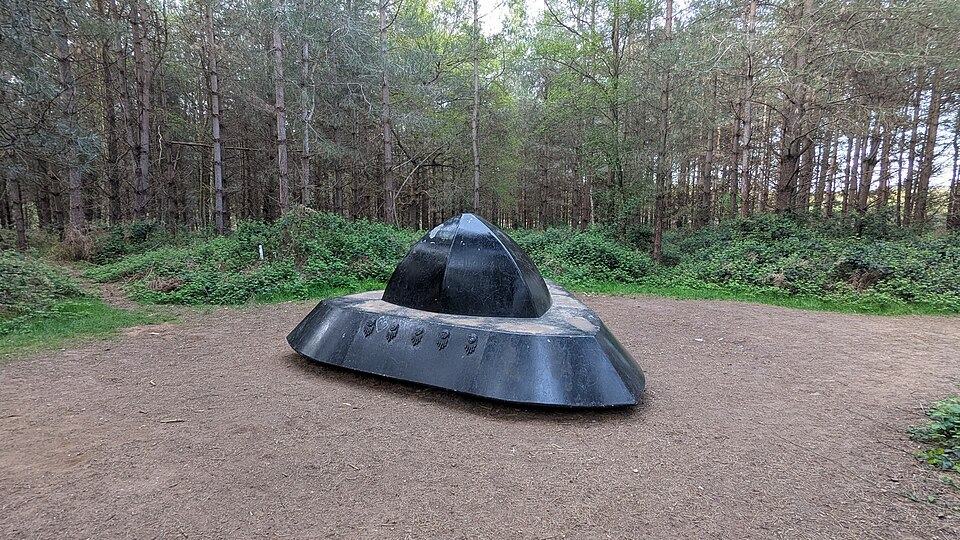
Forestry England maintains a route through areas associated with the December reports. Today it is a place for walking and remembering a cultural story. A modern trail, sign or installed figure can help narrate the history, but is not surviving physical evidence of the alleged vehicle.
Further examination should compare the early memorandum, the times and directions of individual observations, original audio and viewing conditions. Later details should be labelled with the dates on which they first appeared. This preserves room to test different ordinary explanations without declaring every witness deceptive in advance, or every luminous object an unknown machine.


