The unnoticed companion
Bolsover’s most striking story begins among visitors rather than inside a locked bedroom. An English Heritage announcement describes a little boy allegedly seen walking around the grounds holding guests’ hands. In that account, the accompanying adults were unaware of him. There is no name for the child, date for the encounter or complete conversation. The episode depends on a mismatch between observers: somebody apparently sees a presence that the person beside it does not notice. Identifying the boy as a particular deceased child of the castle’s owners would go beyond the source.
Closing the castle
Another member of staff, finishing work late one evening, heard a scream. As the worker moved farther away from the castle, the sound became louder. Returning to investigate, the person found nobody there. The same publication lists muffled voices, footsteps, slamming doors, sudden cold and sensations of being pushed. Night guards reported unexplained lights. These details appear together, but should not be assembled into a single invented evening: the source does not say the boy, lights and scream occurred simultaneously. They are separate impressions associated with people familiar with the property when its ordinary daytime activity has stopped.
What happened in 2017
On 17 October 2017 English Heritage announced the results of a staff poll ranking its spookiest properties. Bolsover came first. Around 1,800 employees had been invited to assess sites on a special scale ahead of Halloween and evening events. Regional director Lucy Hutchings mentioned moved objects, balls of light, pinches and visitors’ reports of William Cavendish himself walking the corridors. Winning this poll establishes a reputation among employees. It does not measure the probability of ghosts or constitute a scientific comparison of more than four hundred historic properties.
A house designed to impress
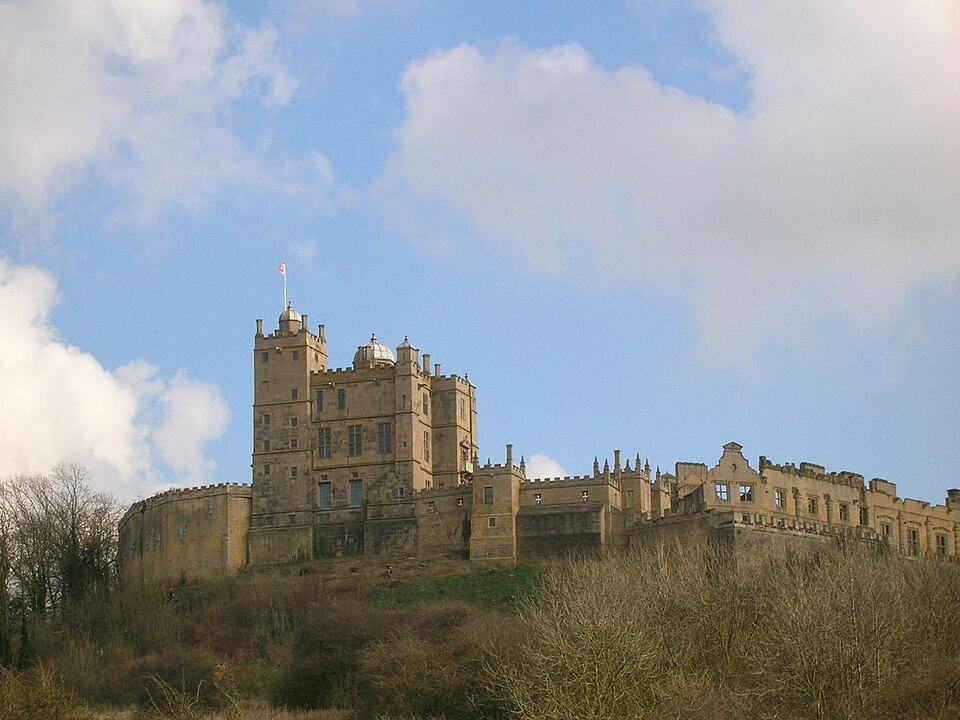
The architectural history supplies the stories with a distinctive setting. Historic England describes medieval remains beneath a standing seventeenth-century country residence. Charles Cavendish and his heir William rebuilt the complex, with designs associated with Robert and John Smythson. English Heritage’s teaching materials explain that the Little Castle was intended for recreation and entertaining, and that the son completed its interiors after his father’s death. William wished to impress aristocratic guests and the monarch. These corridors consequently belong to a documented culture of theatrical hospitality, rather than an anonymous fortress inhabited solely by frightening tales.
Comparing the reports and the history
The announcement reliably establishes which stories the institution circulated in 2017. The heritage register and teaching pack separately explain the complex’s age and construction. The ghost publication does not supply dated security logs, the names of most witnesses or recordings of the individual episodes. Its publication date has not been assigned as the date of the scream. The Cavendish identification remains an interpretation attributed to visitors: the building’s historical ownership cannot establish that a figure in a corridor was its dead proprietor. Bolsover remains interesting as a collection of workplace recollections about an unusual setting.


