A wealthy man followed by dogs
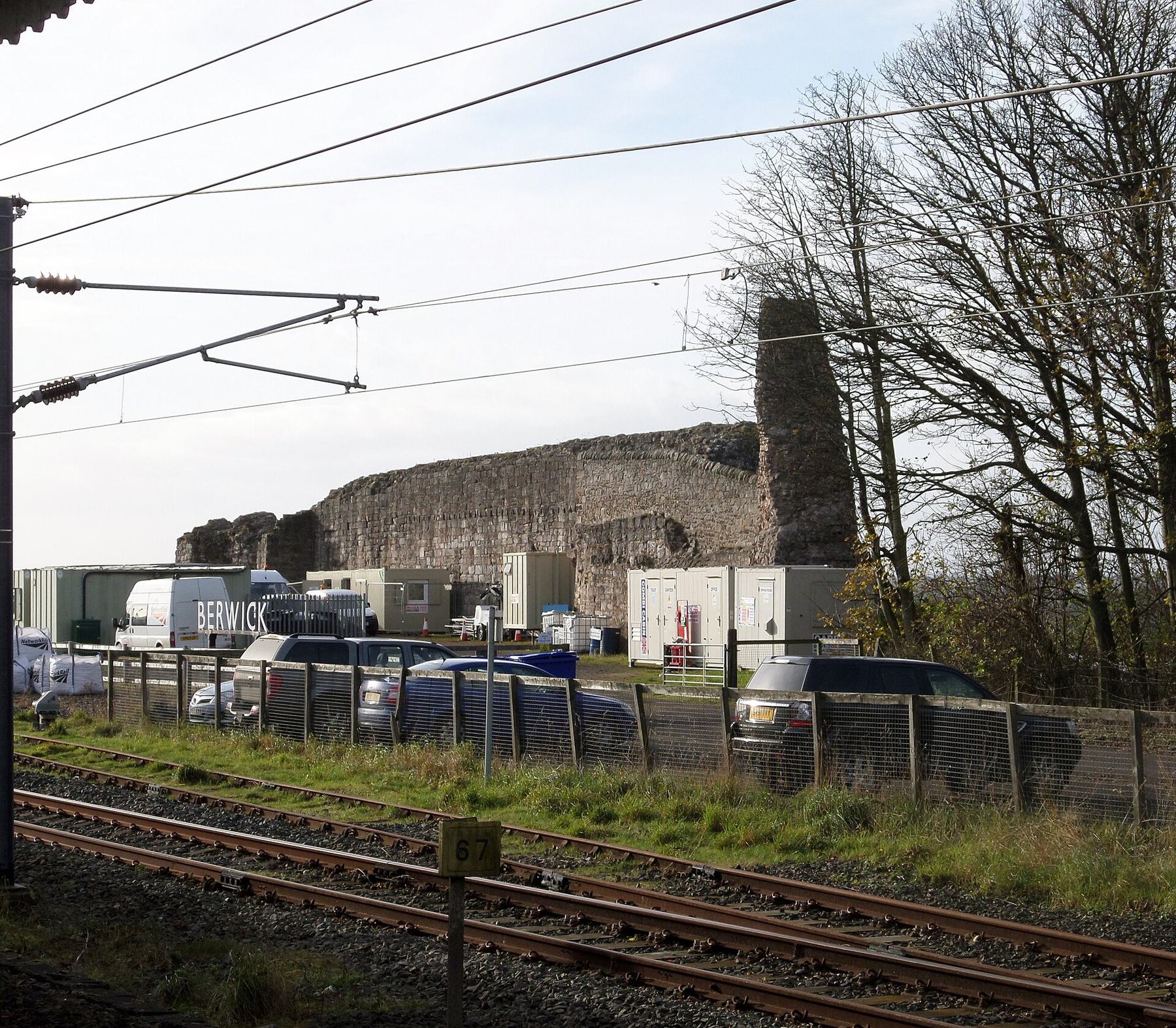
In the fifth book of his history, William of Newburgh takes his reader to the mouth of the Tweed. He describes Berwick as a distinguished town within the Scottish king’s jurisdiction. A very wealthy man died and was buried there; his wicked character, William says, became apparent afterwards. No name is supplied. Following the burial, the dead man supposedly began leaving his grave at night. He was carried about the town while dogs pursued him with loud barking. Before daylight he returned to the tomb. The extraordinary scene is presented as a received report: William does not claim that he personally watched this procession in a Berwick street.
The town stays indoors after sunset
This continued for several days. The inhabitants stopped going outside after dusk because they feared an encounter. William describes a meeting of prominent and prosperous townspeople to decide what should be done. He distinguishes two kinds of anxiety. Some people feared a direct attack or beating. Those whom the narrator considers wiser worried about infected air: the repeated movement of a decaying corpse, they thought, could spread disease. This distinction matters historically. The narrative is not concerned with the cinematic convention of paired bite marks. It combines bodily danger, moral suspicion and a medieval explanation of an epidemic through corruption of the surrounding atmosphere.
Ten courageous young men
Ten young men celebrated for their courage were recruited to deal with the body. They were to open its grave, cut the remains apart and burn them. According to the chronicler, the nocturnal disturbance ceased afterwards. He adds another report: the dead man allegedly told people encountered on his journeys that the town would have no peace until his body was burned. This is not presented as a deathbed confession, an instruction from a priest or a speech delivered during the excavation. The source assigns it to chance encounters during the wanderings. Its unidentified transmitters prevent the reported words from being reconstructed as an independently witnessed conversation between named participants.
An ending easily lost in retellings
Quiet returned after the burning, but the account does not end with the town being saved from disease. William states that an epidemic subsequently killed a great many inhabitants. He also acknowledges that the sickness was widespread throughout the border region, although it struck Berwick particularly severely. The text therefore preserves a detail inconvenient for a simple rescue narrative: destroying the alleged source of danger did not prevent mass mortality. Nearby chapters concern other returning corpses, dealt with through different remedies. Their names, methods of destruction and clerical interventions should not be imported into this relatively short Berwick episode simply because the stories occur together.
Comparing the chronicle and historical interpretations
A university edition of the historical translation allows the number of participants, the dogs and the subsequent epidemic to be checked. Research places these narratives within historical writing and religious understandings of male behaviour and community boundaries. Calling the being a vampire in a modern headline is a later classification: William does not describe blood-drinking in this episode. The surviving document establishes that the story entered a late-twelfth-century chronicle, but supplies no separate municipal investigation or identifiable grave. The location is consequently approximate to the town, while the years of the book’s composition are not entered as years of a verified reanimation.


