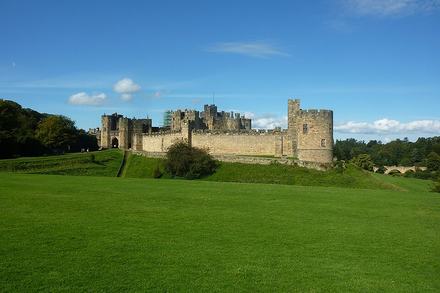
William of Newburgh tells of a suspicious husband who dies after falling from a beam, and two brothers who connect their father's death with his subsequent wanderings.
Insufficient evidenceAlnwick, Northumberland; the chronicle's Anantis is usually asso…
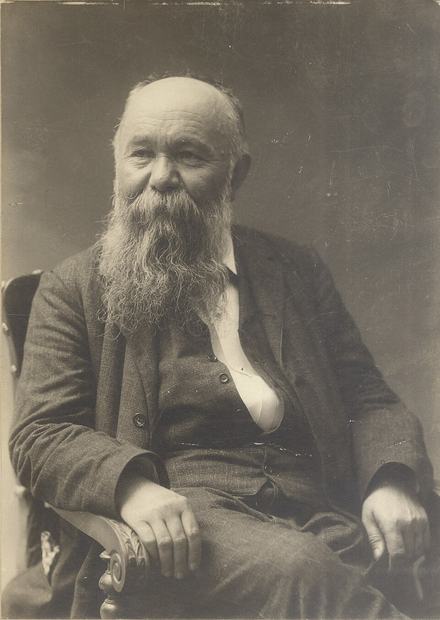
In Milovan Glisic's story, a mill-haunting vampire names himself after finding a log instead of a victim. The search for his grave joins village comedy, folk belief and a love story.
Insufficient evidenceZarozje and Ovcina, western Serbia; literary geography
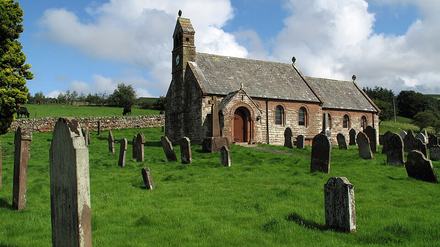
Augustus Hare recorded Captain Fisher's story of a being that dismantles a window and returns to a family vault. Its narrative has survived more securely than its supposed setting.
Insufficient evidenceCroglin, historic Cumberland; the house is not securely identifi…
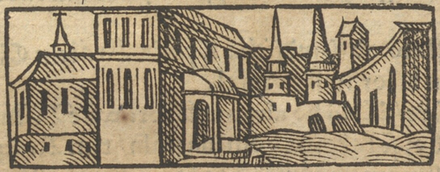
A shepherd boy’s confession was connected with wolf attacks; execution gave way to lifelong monastic confinement, while later books transformed the opening scene.
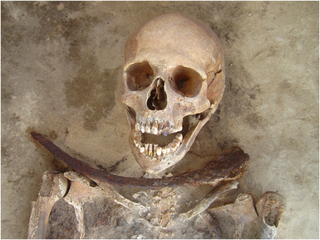
Unusual burials with sickles and stones became known as vampire graves. Archaeology establishes the treatment, while its precise meaning needs careful interpretation.
Under reviewDrawsko, Greater Poland; approximate site area